






Ways To Eat Cost Effectively During These Difficult Times
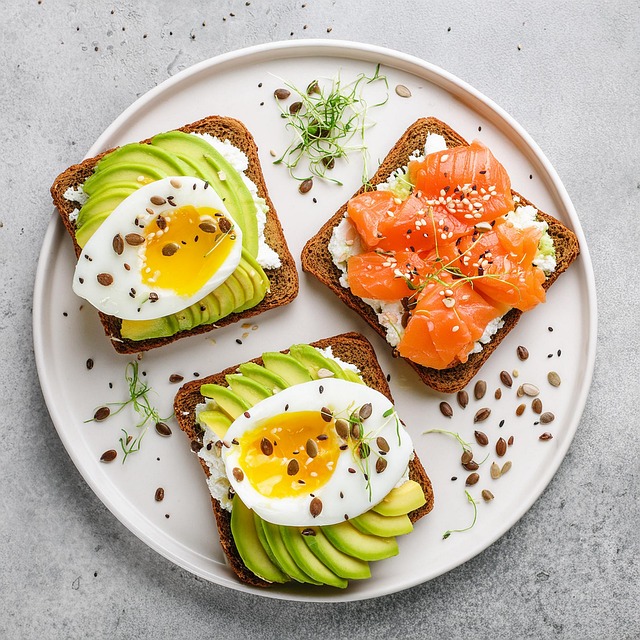
During difficult economic times, the goal is nutritious food, low cost, minimal waste, and flexibility. The good news: many of the healthiest foods are also among the cheapest. Here are practical strategies that help people stretch food budgets without sacrificing nutrition. 🥣💰
1. Base Your Diet on Low-Cost Staples
These foods are inexpensive, filling, and store well.
Great staple foods:
-
Rice
-
Beans & lentils
-
Oats
-
Potatoes
-
Pasta
-
Flour or tortillas
Why they work:
-
Extremely cheap per calorie
-
Long shelf life
-
Can be used in hundreds of meals
Example meals:
-
Rice + beans + salsa
-
Lentil soup
-
Oatmeal with peanut butter
-
Pasta with vegetables
2. Choose Budget Protein Sources
Protein often gets expensive, but there are cheaper options.
ffordable proteins:
-
Eggs 🥚
-
Peanut butter
-
Beans & lentils
-
Canned tuna or sardines
-
Whole chicken (cheaper per pound)
Tips:
-
A whole chicken can make 3–4 meals (roast, soup, sandwiches).
-
Beans + rice together make a complete protein.
3. Buy Vegetables the Smart Way
Vegetables don’t have to be expensive.
Best budget options:
-
Frozen vegetables (often cheaper than fresh)
-
Cabbage
-
Carrots
-
Onions
-
Seasonal produce
Why frozen is great:
-
No spoilage
-
Already chopped
-
Nutritionally similar to fresh
4. Cook Once, Eat Multiple Times
Cooking in larger batches saves money and time.
Good batch meals:
-
Chili
-
Soup
-
Stews
-
Rice dishes
-
Casseroles
Example:
-
Make a big pot of chili → dinner + lunches for days.
Freeze leftovers if possible.
5. Reduce Food Waste
Food waste is like throwing money away.
Ways to reduce it:
-
Freeze extra bread or meat
-
Turn leftovers into soup or stir-fry
-
Store vegetables properly
-
Plan meals before shopping
Example:
-
Leftover chicken → chicken soup
-
Extra rice → fried rice the next day
6. Shop Strategically
Smart shopping saves a lot.
Tips:
-
Buy store brands
-
Compare price per ounce
-
Shop weekly sales
-
Avoid shopping hungry
-
Use a simple grocery list
If available locally, check:
-
Food banks
-
Discount grocery stores
-
Community gardens
7. Example Ultra-Budget Day of Eating
A cheap but balanced day might look like:
Breakfast
-
Oatmeal with peanut butter and banana
Lunch
-
Rice, beans, and frozen vegetables
Dinner
-
Chicken vegetable soup with bread
Snack
-
Apple or carrot sticks
✅ Key idea:
Focus on simple whole foods, bulk staples, and home cooking. Many traditional “poor economy” diets around the world (beans, rice, soups, bread, vegetables) are actually very healthy.

Related Posts



Comments (0)